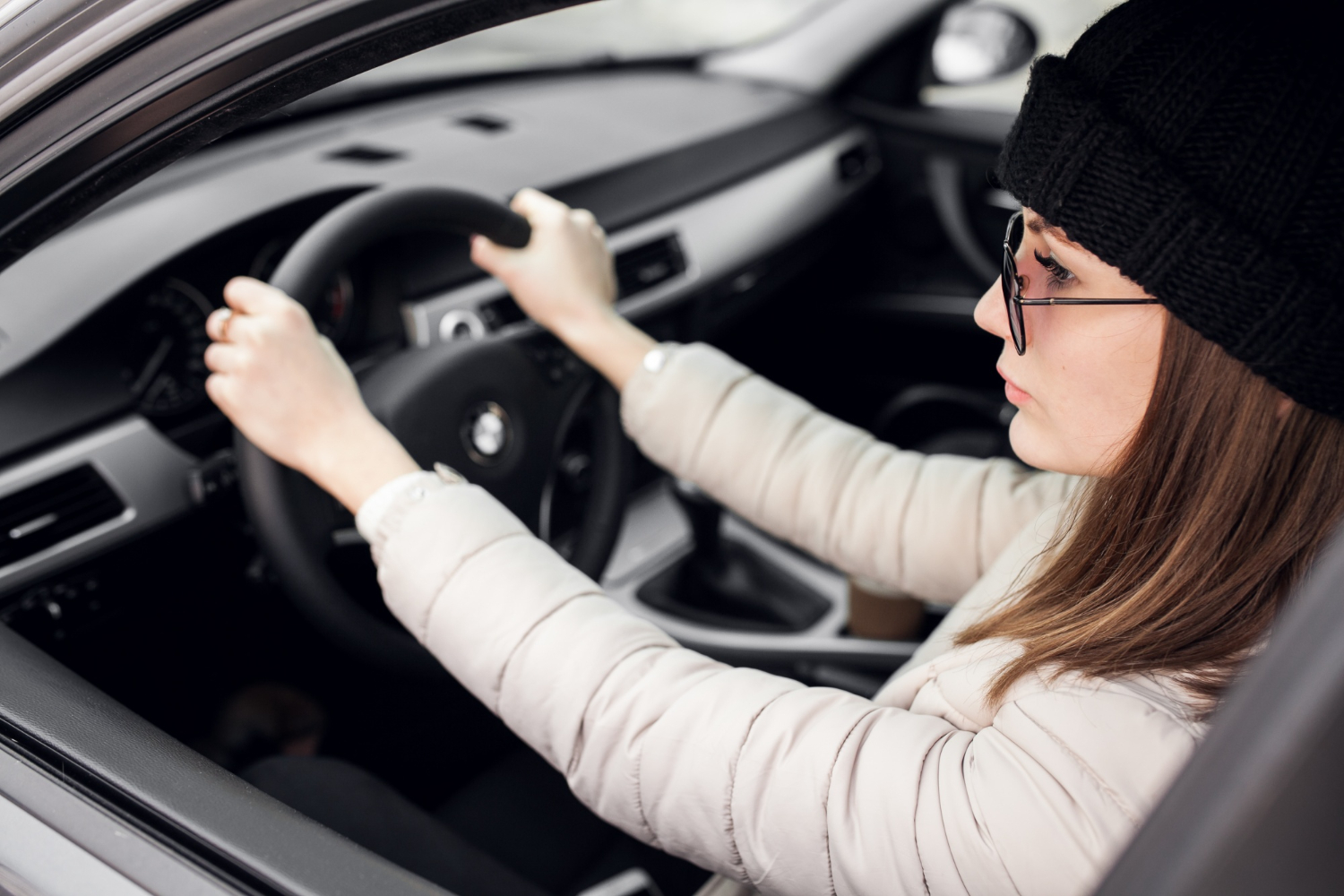
Watching your teenager get behind the wheel for the first time is one of those moments parents never forget. It can also be one of the most stressful.
Parents play a critical role in their teenager’s driving education, but the way you teach matters as much as the time you put in. This blog explores what parents should do, what they should avoid, and how to make practice sessions productive without damaging your relationship.
Your Role Isn’t to Replace the Driving School
The biggest mistake parents make is trying to do too much. Professional instructors at AJ Driving School handle the foundational training—the rules, the maneuvers, the test preparation. Your role is to provide supervised practice time that reinforces what the instructor has already taught.
When you try to teach techniques from scratch, you often introduce habits the instructor will need to undo. Stick to reinforcing, not introducing.
Set Up Practice Sessions for Success
Plan each practice session before you get in the car. Decide what skill you’re working on, where you’re going to drive, and how long the session will last. Random, unfocused driving doesn’t build skill.
1. Start in Empty Lots: First sessions belong in empty parking lots. Quiet residential streets come next. Busy roads and highways come much later.
2. One Skill at a Time: Don’t try to work on parallel parking, lane changes, and highway merging in the same session. Pick one focus area per outing.
3. Keep Sessions Short: Thirty to forty-five minutes is the sweet spot. Beyond that, fatigue sets in and learning suffers.
Manage Your Own Reactions
Your teenager will make mistakes. They will brake too hard, accelerate too softly, miss a shoulder check, and drift in their lane. Your reaction in those moments shapes how willing they are to keep learning.
Yelling, gasping, or grabbing the dashboard tells your teenager they aren’t safe with you. It also undermines the calm, focused mindset they need to drive well. Take a breath, give clear instructions, and save the analysis for after the car is stopped.
Be Specific in Your Feedback
Vague feedback doesn’t help. “That was bad” or “slow down” leaves your teenager guessing what they did wrong. Instead, be specific: “You looked at your blind spot before changing lanes—nice work” or “Your shoulder check was missed before that lane change.”
Specific feedback gives your teenager something concrete to work on. It also shows them you’re paying attention to their progress, not just waiting for them to mess up.
Model the Driving You Want to See
Your teenager has been watching you drive for sixteen years. Every shortcut you take, every shoulder check you skip, every rolling stop you make—they noticed. If you want your teenager to be a great driver, be one yourself.
Pay attention to your own habits. Use turn signals every single time. Come to complete stops. Stay off your phone. The example you set will outlast any lesson you teach.
Know When to Step Back
If practice sessions are creating conflict, take a break. Let the driving school handle the next few lessons, then return to practice with a fresh start. Your relationship with your teenager matters more than any single skill they need to learn.
Some skills are better left entirely to the instructors. Highway merging, complex intersections, and emergency maneuvers belong in a dual-control vehicle with a professional.
Teaching your teenager to drive is a partnership between you, your teenager, and a quality driving school. Get the partnership right, and you’ll raise a confident, safe driver for life. To enroll your teen in our programs in Edmonton, St. Albert, or Sherwood Park, contact AJ Driving School at (780) 486 5090.


