
Parallel parking is the single most feared maneuver on the Edmonton road test. It doesn’t have to be.
Most new drivers approach parallel parking like a guessing game. The truth is, it’s a precise, repeatable sequence of steps that anyone can master with the right method. This blog breaks parallel parking down into clear stages, with the same approach our instructors use to teach hundreds of students every year.
Why Parallel Parking Feels Harder Than It Is
Parallel parking feels difficult because most drivers try to do it by feel. They eyeball the space, hope for the best, and then make wild corrections when things start going wrong. By the time they’re halfway in, they’ve lost track of where their wheels are pointing.
The fix is structure. Parallel parking is a sequence of three to four reference points that you hit in order, every single time. Once you learn the sequence, the maneuver becomes almost automatic.
Step One: Choose the Right Space
Before you even start, pick a space that is at least one and a half times the length of your vehicle. Smaller spaces are possible with experience, but for learning, give yourself room to work with.
Signal your intention, pull up alongside the car in front of the space, and align your rear bumper roughly with theirs. Your vehicles should be about two to three feet apart.
Step Two: The First Turn
Shift into reverse, check all your mirrors and over your shoulder, and start backing up slowly. When your rear bumper is roughly even with the rear bumper of the car beside you, turn the wheel sharply toward the curb.
Keep backing up slowly while watching your side mirror. You’re looking for the curb to appear in your mirror, framed by the rear corner of your vehicle. This is your first reference point.
Step Three: Straighten and Continue
Once you see the curb in the mirror correctly, straighten your wheel and continue backing up. Your vehicle should now be moving diagonally into the space.
When the front of your vehicle clears the rear bumper of the car in front of the space, you’re ready for the final turn.
Step Four: The Counter-Turn
Turn the wheel sharply away from the curb—the opposite direction of your first turn. Continue backing slowly until your vehicle is parallel with the curb.
Stop, shift into drive, and adjust your position forward or backward as needed to center yourself in the space. Your wheels should be no more than thirty centimetres from the curb.
Common Mistakes to Avoid
1. Going Too Fast: Parallel parking is a slow maneuver. The slower you go, the more control you have.
2. Forgetting to Check Mirrors: Your mirrors are your guide. Use them constantly.
3. Not Resetting: If something feels wrong, pull forward and start again. Examiners would rather see you reset cleanly than struggle through a bad attempt.
4. Hitting the Curb: Practice in empty residential streets until your sense of the curb is second nature.
How AJ Driving School Teaches Parallel Parking
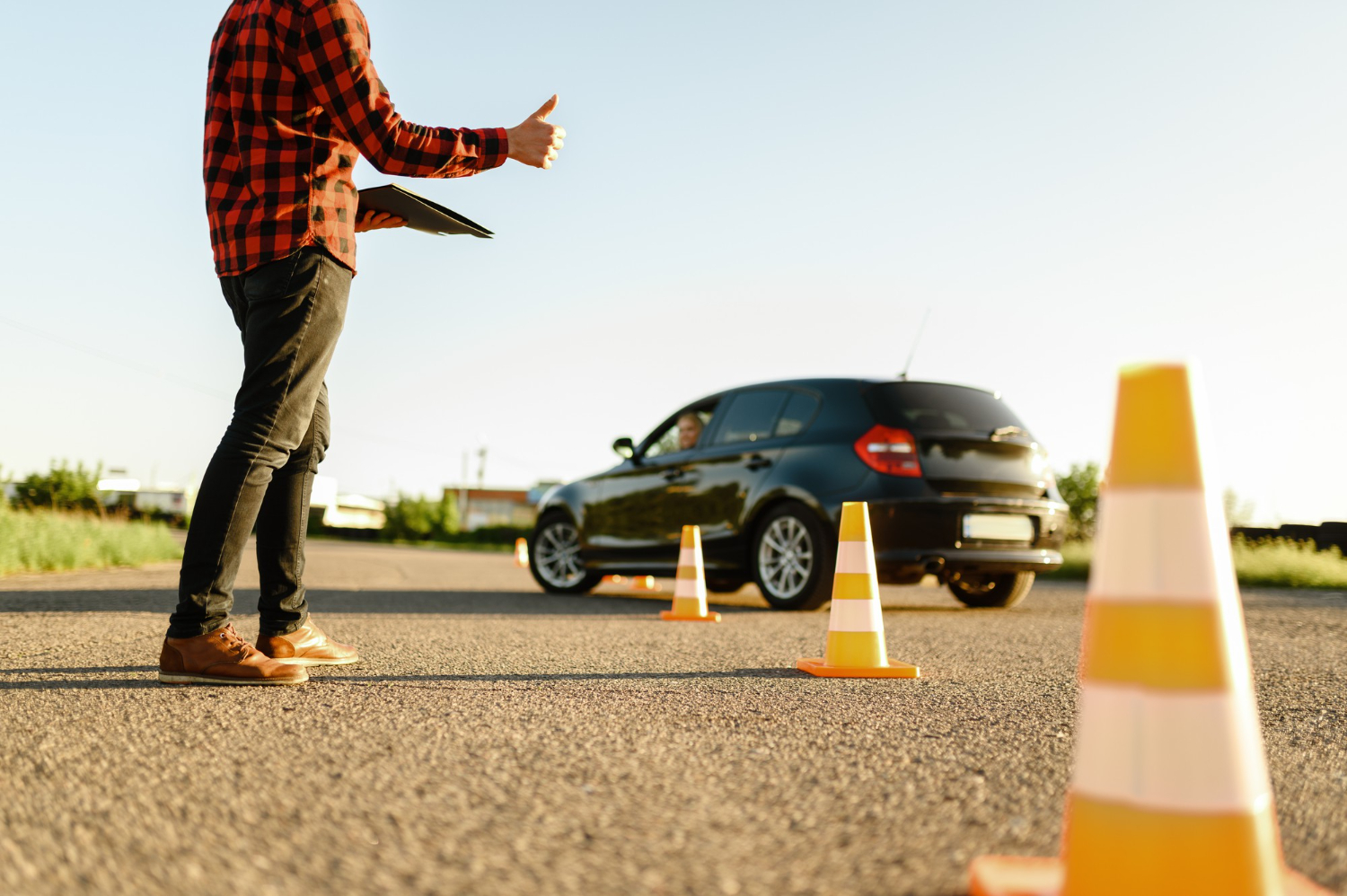
Our instructors break parallel parking into manageable stages and practice each stage until students are confident. We use marked practice areas, residential streets, and eventually busier roads to build the skill in layers.
By the time you take your road test, parallel parking will feel like one of the easier parts of the day.
Parallel parking is a learned skill, not a talent. With the right method and enough practice, anyone can master it. To book lessons that include focused parallel parking practice in Edmonton, contact AJ Driving School at (780) 486 5090.


