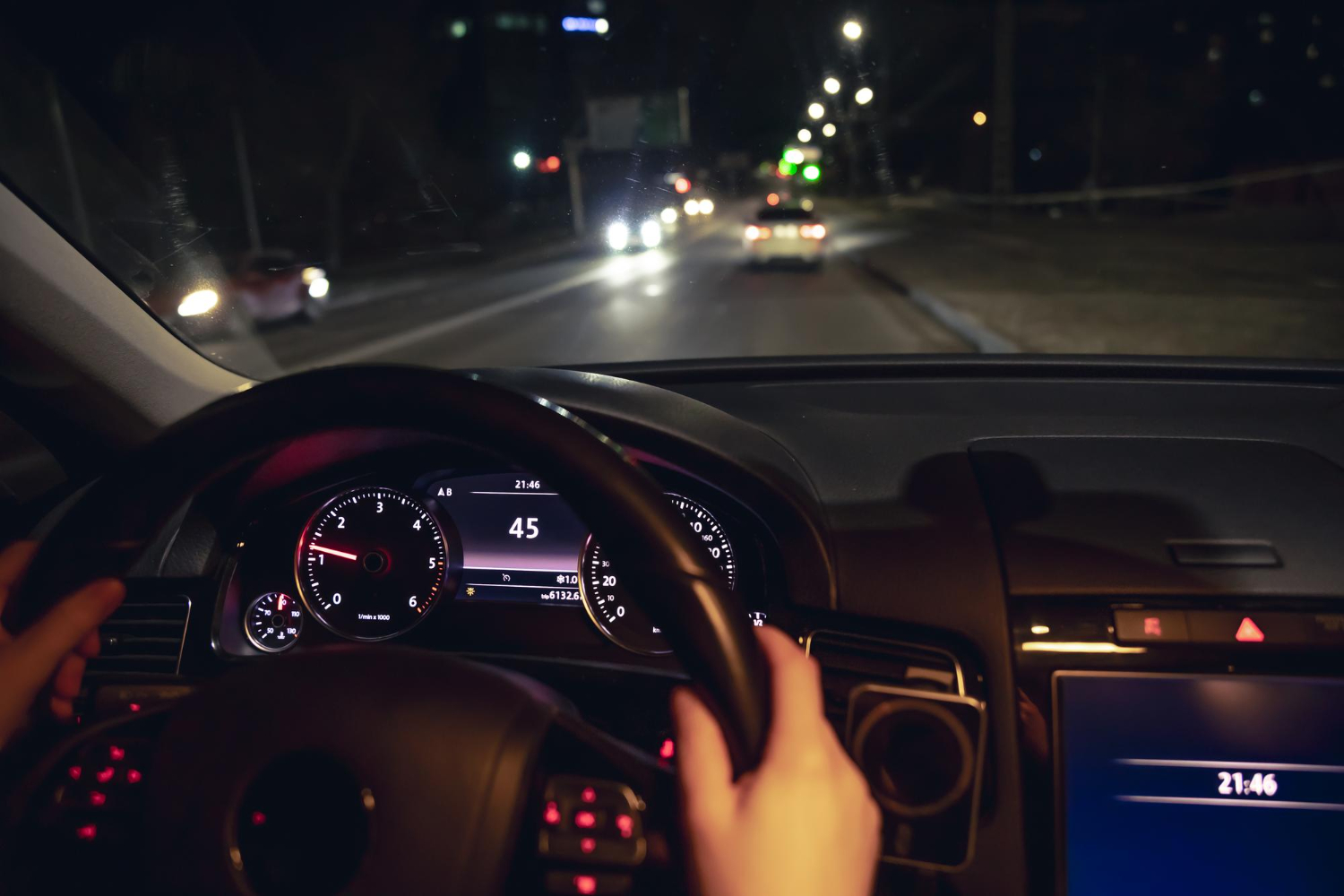
The road looks like a different place after the sun goes down. For new drivers, that change can be intimidating.
Night driving demands different skills than daytime driving—skills that aren’t always covered in basic lessons. This blog walks through what new drivers in Edmonton need to know to handle night roads with confidence, from headlight use to fatigue management.
Why Night Driving Is Statistically More Dangerous
Accident rates climb dramatically after dark. Reduced visibility, driver fatigue, and the higher likelihood of encountering impaired drivers all combine to make nighttime roads riskier than they appear.
For new drivers, the danger is amplified. Depth perception, peripheral vision, and reaction time all suffer in low light, and the lack of visual reference points makes judging speed and distance harder than during the day.
Using Your Headlights Correctly
Headlights aren’t just for seeing the road—they’re for being seen by other drivers. Turn them on before you think you need them, and leave them on until well after sunrise on overcast mornings.
1. Low Beams: Use them in city traffic and whenever there’s oncoming traffic within 150 metres.
2. High Beams: Use them on rural roads and highways when no other vehicles are nearby. Dim them immediately when you see oncoming headlights.
3. Daytime Running Lights: These are not enough at night. They don’t illuminate the road ahead and they don’t activate your tail lights.
Managing Glare from Oncoming Traffic
Glare from oncoming headlights is one of the most disorienting parts of night driving. The instinct to look directly at the lights is exactly the wrong move.
Instead, shift your gaze to the right edge of your lane, using the painted line as a guide. This keeps you on course while letting your peripheral vision monitor the oncoming vehicle. Once they’ve passed, your normal vision returns within a few seconds.
Reading the Road in Low Light
At night, you can only react to what your headlights illuminate. That makes speed management critical. Drive slowly enough that you can stop within the distance your headlights light up.
Watch for the eyes of animals along Edmonton’s outer roads—deer, coyotes, and even moose are most active at dawn and dusk. Their eyes reflect headlights from a surprising distance, giving you valuable warning if you’re paying attention.
Fatigue: The Hidden Night Driving Hazard
Drowsy driving is dangerously close to impaired driving. The body naturally wants to sleep at night, and even an alert daytime driver can become unsafe behind the wheel after dark.
Watch for the warning signs: heavy eyelids, drifting in your lane, missing exits, or not remembering the last few kilometres. When you notice these, pull over and rest. No destination is worth a fatigue-related crash.
How AJ Driving School Builds Night Driving Skills
Our instructors include night driving in our lesson plans, particularly during Alberta’s long winter months when darkness covers most of the commute. Students get supervised experience on Edmonton’s well-lit urban roads and on darker rural routes that demand stronger headlight discipline.
By the time students complete the program, night driving feels like a normal part of their skill set rather than a separate challenge.
Night driving doesn’t have to be intimidating. With the right skills and the right mindset, it becomes just another condition you handle confidently. To book night-driving practice in Edmonton or surrounding areas, contact AJ Driving School at (780) 486 5090.


